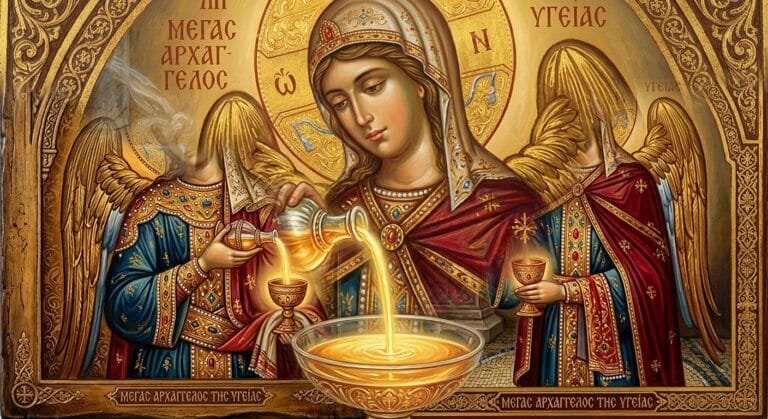
The Chaplet of the Divine Mercy (or Divine Mercy Chaplet) is one of the most beloved and widely practiced prayer devotions in the entire Christian world. Revealed to the Polish nun Saint Maria Faustina Kowalska in a series of mystical visions during the 1930s, this prayer has become a powerful spiritual means of imploring God’s mercy, peace, and forgiveness of sins for the whole world. Trusting in the Savior’s infinite love, believers pray this chaplet daily, especially at 3:00 PM (the Hour of Mercy) and at the bedsides of the dying, receiving immense spiritual comfort, conversion of heart, and peace of mind.
This complete guide has been designed to provide you with deep spiritual insights and canonical texts. Here, you will discover the history of Saint Faustina’s revelations, the theological meaning of the chaplet, the extraordinary promises given by Jesus to those who recite it, a step-by-step guide on how to pray using standard rosary beads, the full text of the prayer in English and Ukrainian, hesychastic contemplative practices, real-life testimonies of miracles, and a free downloadable collection of prayers for print.
1. History of Revelations: St. Faustina Kowalska’s Mystical Vision in Vilnius, September 1935
The establishment of the Divine Mercy Chaplet is directly linked to the life of Saint Maria Faustina Kowalska (1905–1938), a simple Polish nun of the Congregation of the Sisters of Our Lady of Mercy, canonized as a Catholic saint in 2000 by Pope John Paul II. Under the direction of her spiritual director, she meticulously recorded her mystical conversations with Jesus Christ in her diary, published as *Divine Mercy in My Soul: The Diary of St. Maria Faustina Kowalska*.
According to her diary, on September 13, 1935, in Vilnius, Lithuania, she beheld a vision of an angel of divine wrath sent to chastise a certain city on earth for its sins. Sister Faustina began to plead for mercy, but her own prayers were powerless. Suddenly, she saw the Holy Trinity, and she felt the power of God’s grace in her soul. She began to recite the exact prayers of the chaplet. In that moment, the angel’s hand was stayed, and he was unable to carry out the punishment. The next day, Jesus appeared to her and instructed her to pray these words daily and to teach them to the entire world.
2. The Theological Meaning and Power of the Divine Mercy Chaplet
The theological core of the chaplet rests upon offering Christ’s redemptive sacrifice on Calvary to the Father for the forgiveness of human sins. The central prayer of the chaplet reads: “Eternal Father, I offer Thee the Body and Blood, Soul and Divinity of Thy Dearly Beloved Son…”. By reciting these words, the believer relies entirely on the perfect, complete, and unexcelled Sacrifice of Jesus Christ on the Cross (Colossians 1:19-20). We do not present our own doubtful merits to God, but offer His Beloved Son as the sole atonement for our sins and those of the whole world.
3. Extraordinary Promises Given by Jesus to Devotees
In her diary, Saint Faustina recorded the extraordinary promises Christ gave to those who recite this chaplet:
- Protection at the Hour of Death: “Whoever will recite it will receive great mercy at the hour of death” (Diary, 687). Jesus promised to stand between His Father and the dying soul as a merciful Savior rather than a just Judge.
- Hope for Hardened Sinners: “Even if there were a sinner most hardened, if he were to recite this chaplet only once, he would receive grace from My infinite mercy” (Diary, 687). Priests are instructed to recommend it to sinners as their last hope of salvation.
- Comfort for the Dying: “When they say this chaplet in the presence of the dying, God’s anger is placated, and unfathomed mercy embraces the soul” (Diary, 1541). Offering this prayer at a deathbed can obtain salvation for a soul.
4. How to Pray the Divine Mercy Chaplet (Step-by-Step Guide)
The chaplet is typically prayed using standard rosary beads and consists of five decades:
At the Beginning (on the first three beads):
1. Make the Sign of the Cross: In the name of the Father, and of the Son, and of the Holy Spirit. Amen.
2. Pray one Our Father: “Our Father, Who art in heaven…” (1 time)
3. Pray one Hail Mary: “Hail Mary, full of grace…” (1 time)
4. Recite the Apostles’ Creed: “I believe in God, the Father Almighty…” (1 time)
On the Large Beads (instead of the Our Father):
Recite once:
“Eternal Father, I offer Thee the Body and Blood, Soul and Divinity of Thy Dearly Beloved Son, our Lord Jesus Christ, in atonement for our sins and those of the whole world.”
On the Small Beads (instead of the Hail Mary — 10 times per decade):
Recite ten times:
“For the sake of His sorrowful Passion, have mercy on us and on the whole world.”
At the Conclusion (after 5 decades — repeat three times):
“Holy God, Holy Mighty One, Holy Immortal One, have mercy on us and on the whole world.”
Final Invocation (three times):
“Jesus, I trust in You!”
5. Hesychastic Practice and the Hour of Mercy (3:00 PM)
Our website is dedicated to Hesychasm—the Orthodox teachings on inner silence and the Jesus Prayer. Although the Divine Mercy Chaplet is Western in origin, its structure is deeply contemplative. The rhythmic, repetitive recitation of brief, focused phrases is highly compatible with the hesychastic desire to quiet the mind. Jesus asked Saint Faustina to pray this chaplet especially at 3:00 PM (the hour of His death on the Cross). For a hesychast, this hour represents a moment of deep silence (hesychia). Passing the knots of the prayer rope through your fingers, you can alternate this prayer with the classic Jesus Prayer: “Lord Jesus Christ, Son of God, have mercy on me, a sinner”.
6. The Spiritual Laws of Prayer: Thanksgiving and Love
The chaplet works only when our lives are built upon the commandments of love and gratitude. The Apostle Paul teaches us: “In everything give thanks; for this is the will of God in Christ Jesus for you” (1 Thessalonians 5:18). Offer thanks to the Savior for His redemptive sacrifice on Calvary. Remember Christ’s greatest commandment: “Love the Lord your God with all your heart… Love your neighbor as yourself” (Matthew 22:37-39). We cannot ask for God’s mercy if we do not show mercy and forgiveness to others. Forgive everyone, and your prayer will rise to God.
7. Communal Prayer in the Comments
Communal prayer holds special power before God, as the Savior taught: “For where two or three are gathered together in My name, there am I in the midst of them” (Matthew 18:20). If you need prayer support or are praying for the dying, we invite you to utilize our community’s strength:
- Leave your prayer requests in the comments below. State the names of those who need prayer. Other readers will read your request and reply with a brief ‘Amen,’ establishing an invisible chain of communal prayer before God.
8. Real-Life Testimonies
Testimony of Galina from Ternopil (Published in CREDO Periodical):
“My grandfather was dying in the hospital of cancer, suffering in great pain. I sat by his bedside daily, quietly praying the Divine Mercy Chaplet. During the prayer, he would quiet down, and his breathing became even. On the ninth day, as I was concluding the words ‘Holy God, Holy Mighty One…’, he peacefully passed away with a serene expression. It was a true miracle of a peaceful death, just as Jesus promised. This chaplet is a immense source of grace.”
9. Download the Divine Mercy Chaplet Booklet for Free
You can download beautifully formatted digital files of the complete prayers and rules of preparation to print or read offline:
10. Frequently Asked Questions (FAQ)
1. What is the Hour of Mercy and why is it important?
The Hour of Mercy is 3:00 PM—the traditional hour of Jesus’ death on the Cross. Christ asked Saint Faustina to pause at this time, even if only for a brief moment, to contemplate His Passion and ask for mercy on the whole world.
2. Can I pray this chaplet without rosary beads?
Yes, absolutely. Rosary beads are simply a tool to help count the prayers and maintain focus. If you do not have beads, you can pray on your fingers or simply repeat the words in silent devotion. God looks at your heart, not your beads.
3. Is this devotion recognized by the Orthodox Church?
While the chaplet is Western in origin, its theological content is fully aligned with Gospel teachings on God’s infinite mercy. The concluding prayer ‘Holy God, Holy Mighty One…’ is the traditional Byzantine Trisagion sung at every Orthodox liturgy. Many Orthodox Christians privately pray this chaplet.
References (Canonical Links and Literature)
1. CREDO Social-Religious Periodical — Canonical prayers and Saint Faustina Kowalska’s Diary. Available online: credo.pro.
2. The Holy Bible — Epistle to the Colossians (1:19-20), Gospel of Matthew (18:20, 22:37-39), 1 Thessalonians (5:18).
3. Sisters of Our Lady of Mercy — History and structure of the Divine Mercy Chaplet.